1. Survey the space
The crew checks the whole property, including closets, vehicles, sheds and bathrooms where items may be tucked away.
Gilman, IL · Iroquois County
Business owners in Gilman who find syringes in a restroom or storeroom can call (877) 812-4220. A cleanup team can remove sharps and residue and clean the room before it reopens.
If anyone is in danger, call 911 first. For a suicide crisis, call or text 988.
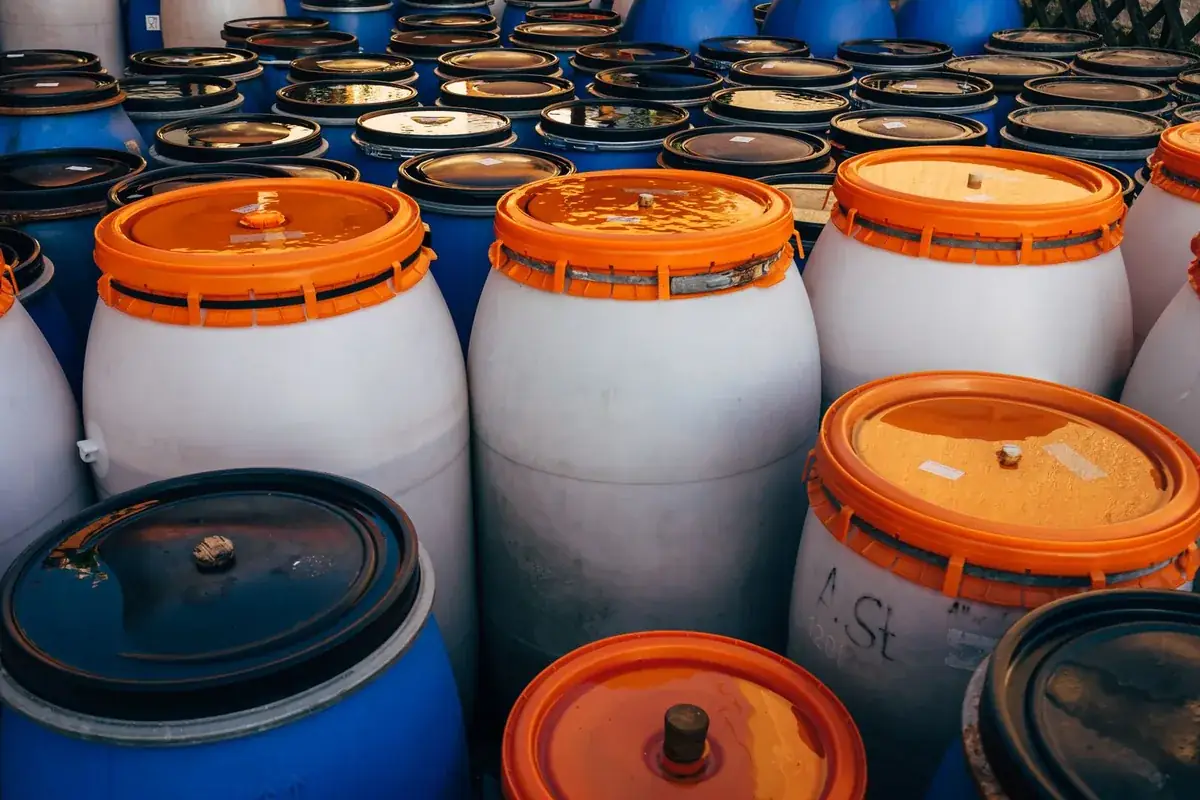
Biohazard cleanup for drug use covers removal of contaminated items, decontamination of surfaces, disposal of soft materials that cannot be cleaned and treatment of lingering odor.
You can get drug paraphernalia cleanup in Gilman and throughout Iroquois County by calling Gilman Biohazard Cleanup Help. Cleanup technicians follow the OSHA Bloodborne Pathogens Standard, 29 CFR 1910.1030, when sharps are involved.
A vacancy rate near 10% in Iroquois County means more empty houses and lots, which are common places for discarded items to be found. Emergency care for people in Gilman is available at Iroquois Memorial Hospital in Watseka. Cleanup can wait until everyone is safe.
The work often covers:
The crew checks the whole property, including closets, vehicles, sheds and bathrooms where items may be tucked away.
Sharps come first, then bags, foil, containers and stained linens. Each is sorted into the right container.
Floors, furniture and fixtures are cleaned. Porous materials that hold residue are cut out or removed.
Sealed waste is hauled for proper disposal, and a record is available for the owner on request.
The cost of drug paraphernalia cleanup in Gilman, IL depends on the amount of material, how it is packed and how it is hauled.
Timing can affect the plan. A same-day need before a new tenant arrives may be scheduled differently from a job booked ahead.
| Type of job | Typical range |
|---|
Figures are planning ranges from , not a price for any specific Gilman property. Price drivers include amount of material, whether residue is present, surfaces affected, waste disposal. Call (877) 812-4220 any hour.
Loose syringes should never go in household trash, because they can stab sanitation workers. Other items may carry residue. A cleanup team seals and disposes of everything the safe way.
Some residues can harm people who touch them, and you cannot tell by looking which ones. That is why gloves are not a substitute for professional cleanup. If skin touches something unknown, wash with soap and water and call Poison Control.
Sometimes. Some homeowners and renters policies cover cleanup after a covered event, and some limit or exclude claims tied to illegal activity. Check your policy, call your insurance company before work starts, take photos if you can, and keep every receipt.
In many cases the person who calls does not need to be at the property. Ask the team how access and keys can be arranged. If you are out of town, say so when you call. Many teams can arrive in an unmarked vehicle.
Vehicles can hold syringes, residue and odor in seats, carpets and vents. Ask whether the team cleans vehicles and how soft materials are treated. Crews use the same protective gear and sealed containers as in a building.
A single room can be cleared quickly, while a house with hidden items, soiled carpet and odor takes longer. The time depends on the amount of material and access. A team can give a realistic idea after hearing the details.
If anyone is hurt or unresponsive, call 911 first, then call for cleanup.
Call (877) 812-4220