1. Listen first
The team asks what the resident wants to keep and what worries them most. Nothing starts until those answers are heard.
Gilman, IL · Iroquois County
Is a home in Gilman too full to walk through safely? Call (877) 812-4220 to talk with a hoarding cleanup team about clearing exits, sorting belongings, hauling away what is released and cleaning afterward.
If anyone is in danger, call 911 first. For a suicide crisis, call or text 988.
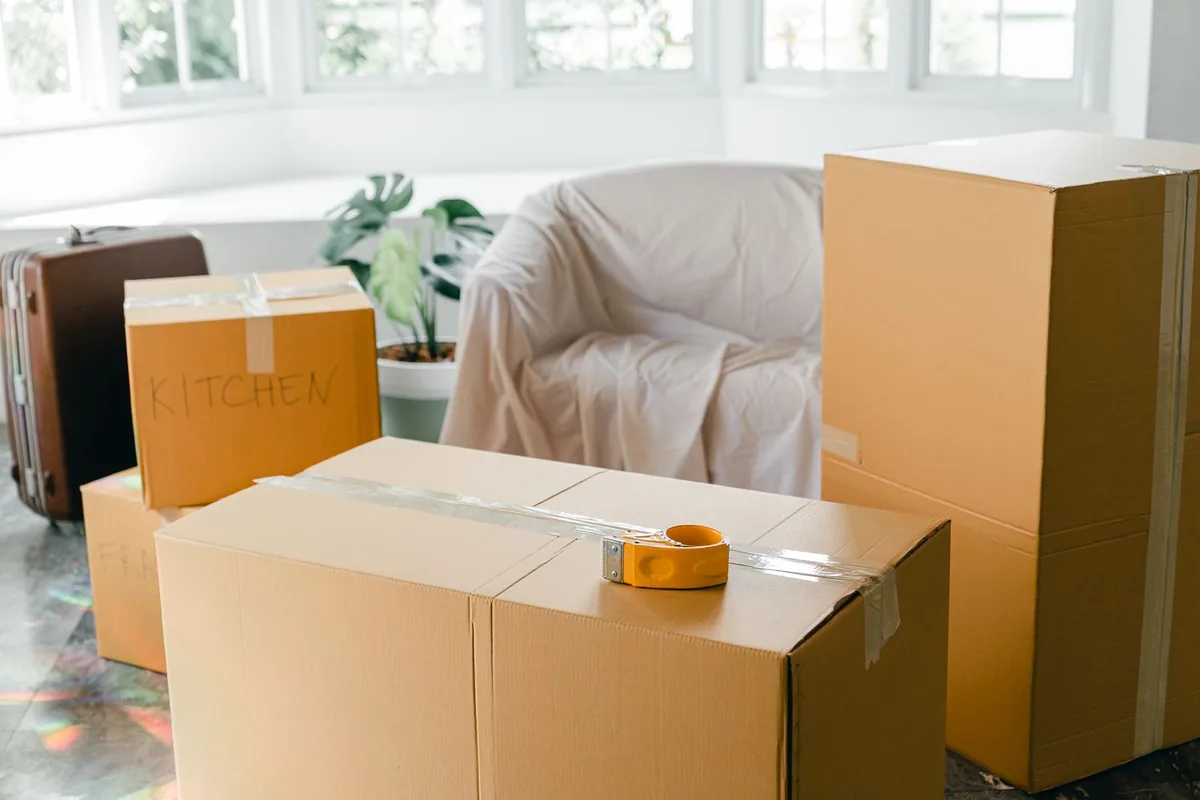
Hoarding is a recognized mental health condition, and hoarding cleaning is the practical side of recovering a home from it. Crews clear pathways, haul out released items and clean and disinfect the affected area.
In Gilman, you can get a cleanup that sorts, hauls and cleans without judgment. Families in Iroquois County call about parents, siblings and their own homes, and the resident keeps a say over every item. Call Gilman Biohazard Cleanup Help.
About 22% of residents in Gilman are sixty-five or older, and older adults often need a gentler pace, short sessions and clear paths for walkers. About 86% of homes in Gilman were built before 1980, and older wiring, narrow halls and small closets make a crowded house more of a fire risk.
A typical hoarding cleanup job includes:
The team asks what the resident wants to keep and what worries them most. Nothing starts until those answers are heard.
Papers, photos, medicine, jewelry and keepsakes are gathered and kept safe. The resident can name anything that must not be moved.
Items go into keep, donate and remove groups. Spoiled food and unsafe items leave first.
Surfaces are cleaned, disinfected and treated for odor. The team talks through upkeep, repairs and support for what comes next.
Expect hoarding cleanup in Gilman, IL to cost roughly $500 to $25,000, with the final price set after an on-site assessment.
The cost of hoarding cleanup depends first on the size of the home and how much needs to be sorted and hauled. One crowded room is a very different job from a full house.
| Type of job | Typical range |
|---|---|
| Level 5, severe | $10,000 - $25,000+ |
| Level 1, light | $500 - $1,500 |
| Level 2 | $1,000 - $3,000 |
| Level 4 | $5,000 - $15,000 |
Estimates only, not a quote. Sources: Dropcurb, Lifecycle Transitions. Price drivers include level of accumulation, home size, whether exits and rooms are blocked, pests or animal waste. Call (877) 812-4220 to talk through the job.
A lightly crowded room with a willing resident can be a do-it-yourself project with gloves, a mask and a helper. Beyond that, hidden hazards, heavy items and the emotional strain make a team the safer choice.
Offer help without pressure, ask what they want to keep and agree on one small area to start. Do not remove items they have not released. A cleanup team can take over the heavy lifting, disposal and sanitizing while you offer support.
Hoarding disorder is a recognized mental health condition in its own right. Only a doctor or mental health professional can say what applies to a particular person. A cleanup team does not diagnose, and it treats every resident with respect.
A lightly crowded room may take a day, while a whole home with heavy buildup can take several days to a few weeks. The resident's pace, pests, mold and repairs all change the timeline. The team can estimate after seeing the home.
Yes. A cleanup team can sort, clear and clean a home once the resident has moved, entered care or died. The family can set rules for photos, papers and keepsakes, and the work moves at the family's pace.
A crew with enough people and a clear plan, working room by room. Going fast without the resident's agreement often backfires, though, and the home can fill again. Clearing exits and hazards first is the quickest way to make a real safety difference.
Residents, relatives and landlords are all welcome to call.
Call (877) 812-4220